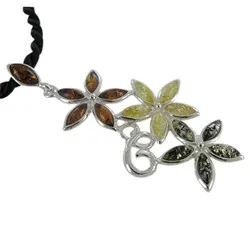
A good pair of Baltic amber earrings does more than add color. It sits close to the face, catches light as you move and can make a familiar shirt, sweater or dress feel considered in seconds. The right pair may be a tiny honey stud you forget you are wearing, a warm cognac drop that becomes your finishing touch, or a sculptural silver design that gets noticed before you say a word.
That range is exactly why choosing can feel harder than it should. Amber comes in many colors and degrees of clarity. Earring shapes change how much of that color you see. Metal, closure and scale decide whether a design feels easy all day or saved for a particular occasion. Rather than hunting for one universally best pair, begin with how you like jewelry to feel in your actual life.
This guide keeps the decision practical: choose a silhouette, check the proportions, let color and silverwork guide the mood, then read the exact listing with a calm eye. That leaves room for the most important part, finding the pair that still makes you happy after the first bright photograph.
Start with the silhouette you naturally wear
Studs are the quiet foundation. They sit close to the ear, work with scarves and collars, and make sense when you want a little warmth without much movement. A small amber cabochon can become an everyday signature, especially if you tend to wear necklaces, rings or bracelets that already carry the larger gesture.
Drops and dangles place amber in motion. They are a good choice when you enjoy seeing the stone from the side as well as the front, or when you want one small detail to do more of the styling. The useful question is not whether a drop is more special than a stud. It is whether you like the feeling of a visible, moving earring and whether its length suits your hair, glasses and usual neckline.
A more decorative silver frame changes the mood again. Openwork, botanical detail and an antiqued finish can make a modest stone feel romantic or collected. A clean bezel gives the amber a sharper, more modern outline. Look at the full pair, not just the color. The relationship between stone and silver is often what makes one design feel like you.
Browse the site’s amber earring collection by comparing shape first. Once you notice whether you keep returning to compact studs, gentle drops or bolder silverwork, the rest of the choices become much easier.

Use scale and weight to choose comfortably
Earrings can look deceptively similar in a product photograph. A close crop can make a petite stud seem dramatic, while a generous drop can look smaller than it will beside your face. Read the listed height and width, then compare them with a pair you already wear. A ruler held beside a mirror is often more useful than trying to estimate from a model-free image.
Amber is valued partly because it is light for its apparent size. The Gemological Institute of America describes amber as fossilized resin and notes that it is surprisingly lightweight. That makes it a lovely material for earrings, but the complete pair still includes silver, posts, hooks and any decorative frame. A larger stone in an elaborate setting may feel different from a simple amber drop of the same length.
Pay attention to where the earring will sit. A short drop can clear the earlobe neatly and work well with a collar. A longer design may be perfect with an open neckline but compete with a scarf or high collar. If you wear glasses, imagine the hook, post or silverwork alongside the arm of the frame. These details are not fussy. They are what turns a beautiful pair into a pair you reach for often.
If the listing gives only the stone size, look for the full length of the earring. If it shows the exact pair from several angles, use those views to see how far the amber projects and how much silver surrounds it. Clear information gives you a better decision than a dramatic close-up alone.
Let amber color set the mood, not the rules
Honey amber is familiar for a reason. Its gold tone can feel sunny and easy with denim, cream, navy, charcoal and black. Cognac amber is deeper and richer, often bringing a little more contrast against cool silver. Lemon amber gives a brighter lift, while cherry tones can feel more dramatic. Each is amber, and none sits above the others on a quality ladder.
Clarity changes the impression just as much as color. A transparent stone catches light quickly. A cloudy, milky or softly opaque stone can feel quieter, more sculptural and a little more vintage in spirit. Tiny bubbles, veils and natural-looking internal variation can make a stone feel alive. The goal is not perfect uniformity. It is a photograph and description that help you understand the character of the exact pair.
The GIA’s amber overview explains that amber is an organic gem and that its color and internal features vary. That is a useful perspective when you are comparing earrings online. Two genuine pieces may not match the same imagined template, and matching earrings may still show their own small individual differences.
Choose color by the jewelry and clothes you already love. Honey can echo a favorite gold-toned accessory. Cognac can give a dark winter wardrobe a warm focal point. Lemon can brighten a simple white shirt. If a more unusual green or multi-color piece catches your eye, make sure the listing is clear about the material and treatment, then enjoy the fact that it is not the obvious choice.

Read the silverwork and closure as carefully as the stone
Amber is often at its best beside sterling silver. The cool brightness of silver gives honey and cognac tones a clean outline, while textured or oxidized details can make the same color feel older, softer or more theatrical. A bezel wraps the edge of a cabochon for a smooth profile. Prongs show more of the stone, but should look balanced and secure in the photographs.
The closure matters, too. Posts with backs are familiar and discreet. Leverbacks offer a more enclosed feel for a drop earring. Hooks can be graceful and light, but are worth checking for their length and finish if you are used to more secure closures. The best option is simply the one that fits your comfort and wearing habits.
Check the stated metal instead of assuming from a photograph. Sterling silver, plated metal and base-metal findings can look similar online but may matter to someone with a known sensitivity or a strong preference for a particular finish. A good listing tells you what the amber is set in, how the earring closes and whether there are special care notes.
For an everyday pair, simplicity often wins. A small stone, a secure closure and a silver setting that does not catch on clothing can make a lovely companion. For a gift or occasion pair, you may prefer more movement or a stronger shape. The important thing is that the design feels intentional, not that it follows a rule about what earrings are supposed to be.
Choose from the exact piece, not a vague promise
Natural amber is varied, so photographs are part of the description. Look for a clear front view, an angled view and enough detail to see the surface, color and metalwork. On earrings, you also want to see that the pair feels balanced. Slight natural variation can be charming. A visibly different color, a crack, a missing edge or an uneven setting should be described plainly.
Read the material words slowly. Natural amber, pressed amber, copal, glass and manufactured resin are not interchangeable terms. Treatment is not a reason to reject a piece automatically, but it should be described honestly. The GIA notes that heating can alter amber’s apparent clarity or color, which makes disclosure more valuable than a dramatic name or a broad claim of rarity.
Avoid damaging home tests. Heat, solvents, hot needles and scratching can harm a finished earring and do not give a buyer the kind of certainty they deserve. Our guide to telling if amber is real explains safer questions to ask, including whether a seller shows the actual piece, identifies the material, gives measurements and offers a clear return path.
For an antique, a piece with an important provenance claim or an unusually high price, independent documentation can be sensible. For everyday earrings, good photographs, straightforward answers and a clear description are usually the practical foundation. They let you focus on the part of the purchase that should be enjoyable: which pair you want to see in the mirror tomorrow.

Match the pair to your real day and your gift recipient
The most useful jewelry question is often, “When will I wear this?” If you want a pair for work, travel or daily errands, consider a stud or a shorter drop with a secure closure. If you usually dress simply and want one expressive detail, a larger drop can do more without asking for a full set of matching jewelry. If you already wear a favorite necklace every day, choose earrings that support it rather than compete with it.
For a gift, start with the recipient’s habits. A person who wears small silver hoops may appreciate a honey stud or a contained drop. Someone who loves scarves, color or vintage clothing may enjoy a more decorative frame. Earrings are a thoughtful gift because they do not require a ring size or a bracelet measurement, but the stated dimensions still matter. A very large drop is wonderfully personal only when it fits the wearer’s style.
Give yourself or the recipient room to decide. The site’s shipping and returns information explains the practical details before ordering. A clear return policy does not make a gift less romantic. It makes the choice feel generous, especially when natural color and proportions are part of what makes a pair personal.
If you want to compare another kind of amber jewelry before deciding, the amber bracelet guide and the amber pendant necklace guide show how the same questions about scale, color and construction shift when the jewelry sits somewhere else on the body.
Care for amber earrings gently
Amber is soft compared with many gem materials. The GIA’s amber care guidance places it at 2 to 2.5 on the Mohs scale and advises care around scratches, heat and chemicals. Put earrings on after perfume, hairspray and lotion have settled. Take them off before swimming, showering, exercising or cleaning.
A soft cloth after wearing is usually enough. Store the pair separately from harder jewelry so that posts, clasps and other pieces do not rub against the amber. Avoid ultrasonic cleaners, steam, abrasive polishes and solvents. If the silver needs more attention than a dry wipe, be careful to keep any product away from the stone, or ask a jeweler who understands amber.
For the everyday routine, keep the site’s Amber Care guide close by. Gentle habits protect the glow, the setting and the details that made you choose the pair in the first place.
- Choose studs or drops based on how you like earrings to feel.
- Compare listed measurements with a pair you already wear.
- Use color and clarity to find a mood you enjoy, not a quality ranking.
- Check the metal, closure, photographs and description of the exact pair.
- Keep amber away from heat, chemicals, scratches and harsh cleaners.
Find the pair that keeps calling you back
Andzia’s Amber Jewelry has selected Baltic amber since 1996, with an eye for the small details that make a piece feel personal: a warm glow, a little natural variation, silverwork with character and a shape that belongs in someone’s real life. Earrings are a particularly lovely place to start because they bring that character right where you can see it.
Explore the current amber earrings when you are ready to compare real pairs. Amber remains distinct from the shop’s Mohave turquoise pieces, so you can follow the material you came looking for without mixed recommendations. Begin with the pair whose shape or color keeps drawing you back, then let the dimensions and details confirm the choice.
The right pair does not need to solve every jewelry question. It only needs to feel good, look like you and make an ordinary day a little warmer.
Frequently asked questions
Are Baltic amber earrings comfortable for everyday wear?
They can be, especially when you choose a scale and closure that suit your routine. Amber is light for its size, but the complete earring also includes its silver setting and hardware. Check the listed dimensions and compare them with a pair you already enjoy wearing.
Should I choose amber studs or drop earrings?
Choose studs for a close, easy everyday look. Choose drops when you like movement and a more visible touch of color. Neither is better. The most useful choice is the shape that feels natural with your hair, glasses, neckline and usual jewelry.
What color Baltic amber earrings are most versatile?
Honey amber is a familiar warm neutral, while cognac gives a deeper contrast and lemon adds brightness. The most versatile color is the one you will be excited to wear. Color is a matter of personal taste, not a ranking of quality.
How can I tell whether an amber earring listing is trustworthy?
Look for a clear material and metal description, stated dimensions, useful views of the exact pair, treatment disclosure when relevant and a straightforward return policy. Avoid sellers who rely on vague claims or encourage damaging home tests.
How should I clean amber earrings?
Wipe them gently with a soft cloth after wearing and store them separately from harder jewelry. Keep amber away from perfume, hairspray, solvents, heat, ultrasonic cleaners and abrasive polish. Use the site’s Amber Care guide for a fuller routine.