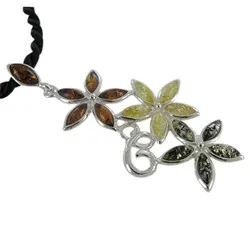
An amber bracelet earns its place by being the piece you actually reach for. It may be a slim silver cuff that slips under a sweater sleeve, a strand of warm beads that makes a plain shirt feel finished, or a bolder design saved for days when you want a little more color. The best choice is not a universal winner. It is a bracelet that feels comfortable, looks like you, and has enough detail to keep you happy after the first glance.
That is why it helps to begin with the wearing, rather than the label. Think about the sleeves you wear, the watch or other bracelets already on your wrist, and whether you want something quiet or unmistakable. Then look at fit, construction, amber color and the information around the exact piece. Those details make choosing feel less like a gamble and more like a pleasant, personal decision.
This guide is for adult jewelry. Amber belongs in a jewelry box, not in a child’s mouth or around a sleeping child’s neck. For adults, it offers an unusually light, warm-looking material with a huge range of color and character. The rest is simply finding the version that fits your day.
Start with the kind of bracelet you want to wear
Bracelets come in a few broad families, and each gives amber a different job. A cuff or bangle tends to read as one composed piece: the silverwork frames the stone, and the bracelet can feel dressy even when the amber itself is small. A beaded bracelet puts the amber first. It is often softer in feeling, easy to stack, and full of small changes in color and texture. A chain bracelet with one or several amber stones is a middle path, with more movement than a cuff and a more tailored outline than a strand of beads.
Choose the silhouette by imagining an ordinary day, not just a special occasion. If you want a bracelet to live beside a watch, a low-profile cuff or narrow chain can be easier. If you like a natural, tactile presence, a bead bracelet may be the one that makes you look down at your wrist and smile. A larger bangle gives more visual space to a single cabochon, while a multi-color strand can become the main color story in an otherwise simple outfit.
The shop’s amber bracelet collection lets you compare these shapes side by side. Looking at several designs is useful because it makes your own preference obvious. You may discover that you keep returning to polished beads, detailed silverwork, or a clean, simple band. That repeat glance is better evidence than a rule about what should suit you.
If you are buying a gift, start with the recipient’s existing jewelry. Someone who wears small silver hoops and a watch may appreciate a restrained amber cuff. Someone who layers bracelets or wears colorful scarves may enjoy a bead design or a mixed-amber palette. The goal is not to guess a personality from a stone. It is to choose a piece that has a natural place in the life they already lead.

Get the fit right before falling for the color
Fit is the practical detail that decides whether a bracelet becomes an everyday favorite. For a clasped bracelet, measure around the wrist where you normally wear it, then compare that number with the stated length. A little breathing room feels relaxed, but too much room lets the bracelet spin and catch. For a cuff, the opening and the shape of the wrist matter as much as the stated size. Read the listing closely, especially when it says whether a piece is best for a small, medium or larger wrist.
Use jewelry you already own as a reference. Lay a favorite bracelet flat and measure its length, or wrap a soft tape around your wrist at the position where you wear a watch. This does not have to be precise to the millimeter. It only gives you a familiar point of comparison. If a bracelet is presented as adjustable, look for the adjustment range rather than assuming it will suit every wrist.
Be mindful of how the bracelet goes on and off. A stretch bracelet can be wonderfully easy, but should still move over the hand without being forced. A cuff may need to be gently rolled over the narrowest part of the wrist rather than pulled open and closed repeatedly. A clasped design should have a closure you can manage comfortably. These are small decisions, but they shape whether a beautiful bracelet stays in a drawer or becomes part of your regular rotation.
The exact product page should be your final check. Along with measurements, look for the bracelet’s material, closure, product photographs and care guidance. Thoughtful details are more valuable than a vague claim that a bracelet fits everyone.

Let color and finish set the mood
Amber is not one color, and no color is a quality ladder. Honey amber can look sunny and open. Cognac can feel deeper and especially handsome against cream, charcoal, navy or black. Lemon amber brightens an outfit without needing much else. Cherry tones carry a richer red-brown note, while milky or butterscotch amber can feel soft, opaque and quietly vintage. A multi-color bracelet brings several moods together and can make a simple outfit feel considered.
Finish matters, too. Polished amber reflects light and highlights translucence. Matte or softly finished amber feels calmer and more tactile. Raw-looking amber has texture and an organic presence, but it should not be confused with a guarantee of any special origin or treatment. The right finish is the one that makes you want to touch and wear the piece.
Natural variation is part of the appeal. One stone may be clear, another cloudy, and another filled with small internal patterns. These differences do not need to be corrected away. The Gemological Institute of America describes amber as fossilized resin and notes that its appearance can vary with inclusions and color. Their overview of amber is a useful reminder that a material with a long natural history will not look as uniform as manufactured beads.
Color alone does not prove that a bracelet is genuine. Plastics and other materials can be colored to look convincing, so it is wiser to use plain descriptions, close photographs and seller transparency as your starting point. Our guide to telling if amber is real explains why dramatic home tests are not the kindest way to assess finished jewelry.

Look at the bracelet’s construction
The amber is the first thing you see, but construction tells you how the bracelet will live with you. On a silver cuff, look at how the stone is held in place and how the metal meets the wrist. A bezel can give a smooth, protected outline, while more open silverwork lets the stone take more visual space. On a beaded bracelet, notice whether the design is elastic, strung, knotted, or finished with a clasp. Each can be lovely when it is made for the role it is meant to play.
A well-described listing gives you enough information to imagine the bracelet in hand. It should identify the metal, explain the closure or fit, and show the piece from more than one angle. If the bracelet is one of a kind or vintage, photographs of the exact piece are especially important. Small signs of age can add character, but repairs, chips or loose areas should be described plainly.
Sterling silver works beautifully with amber because its cool light gives honey, cognac and cherry tones a crisp outline. Detailed silver can make a small cabochon feel like a focal point, while a simple setting can let the color do the work. Neither approach is inherently better. The question is whether the stone and setting feel balanced together, and whether they fit the jewelry you already own.
For a deeper look at buying from the details rather than a promise, visit Where to Buy Amber Jewelry. It covers the useful questions to ask before choosing a piece, including material descriptions, photographs and return information.
Choose a bracelet for the life it will have
An everyday bracelet needs to be easy. Think about your sleeves, desk work, driving, and the other jewelry you wear. A slim cuff or a small-bead bracelet can sit close to the wrist and add warmth without asking much of the rest of an outfit. A larger statement cuff or a substantial strand can be perfect, too, when you like a piece that starts a conversation. The key is to choose it for the days you actually have, not only for the events you imagine.
A bracelet can also be a useful starting point for a small amber collection. Begin with a color you already wear often, then add contrast later. A honey or cognac bracelet may feel like the easiest entry. A multi-color design can connect with several outfits. If you find yourself drawn to a more unusual hue, follow that instinct, but make sure the listing describes the material clearly and the photographs show the actual stone.
If the bracelet is a gift, give the recipient room to decide whether it is right. Clear measurements and a straightforward return policy are thoughtful parts of the gift, not cold details. The site’s shipping and returns information is worth checking before you order, especially when you are choosing for someone whose wrist size you cannot measure quietly.
For anyone who enjoys learning the material’s larger story, Amberology gathers the broader history and natural character behind the jewelry. It is a nice companion to shopping because it keeps the attention where it belongs: on the real material, the craft and your own sense of what is beautiful.

Care for amber gently
Amber is a natural material, so a little care goes a long way. Put a bracelet on after perfume, hair products and lotion have settled. Take it off before swimming, bathing, exercising, cleaning, or working with harsh products. Wipe it softly after wearing and store it away from harder jewelry that could scratch the surface. These habits are simple, and they protect both the amber and the bracelet’s construction.
Avoid hot-water soaks, abrasive cleaners, solvents, ultrasonic machines and scratch tests. A finished bracelet is not a science experiment. If it needs a more careful clean or you have a question about a loose stone, ask a qualified jeweler rather than trying a dramatic fix at home. For ordinary upkeep, the site’s Amber Care guide gives a calm, practical routine.
Gentle care is also a way of noticing what you own. When you wipe the bracelet before putting it away, you may see the tiny variation in one bead, the pattern in a silver setting, or the way the color changes in different light. Those are the details that make amber feel personal over time.
- Choose a style that suits the way you dress and move.
- Check the stated fit, closure and bracelet measurements.
- Compare color and finish in photographs of the exact piece.
- Look for a clear material description and honest condition details.
- Keep amber away from harsh chemicals, heat and hard knocks.
Find the bracelet that feels like yours
Andzia’s Amber Jewelry has selected Baltic amber since 1996, with an eye for the details that give a piece its character: color that looks alive in the light, silverwork with a point of view, and designs that are enjoyable to wear rather than merely collect. That makes a bracelet a particularly personal choice. It stays in your own field of view, changing with your movement and becoming familiar quickly.
Browse the current amber bracelets when you are ready to compare real pieces. Start with the color, shape or small detail that keeps catching your eye, then check fit and construction. Amber remains its own category here, separate from the shop’s Mohave turquoise pieces, so you can follow the material you came looking for without mixed recommendations.
The strongest choice is usually the one you can picture wearing tomorrow. Let that be enough. A bracelet does not need to solve every style question. It only needs to feel good on your wrist and bring a little warmth to the day.
Frequently asked questions
How should an amber bracelet fit?
A bracelet should feel secure without pinching, sliding constantly, or needing to be forced over the hand. Compare the listed length or cuff size with a bracelet you already enjoy, and check whether the piece uses a clasp, stretch cord, or an adjustable opening.
What color amber bracelet should I choose?
Choose the color you will be excited to wear. Honey amber often feels bright and familiar, cognac feels deeper, and multi-color designs can connect with many outfits. Color is a personal preference, not a ranking of quality.
Are amber bracelets suitable for everyday wear?
Yes, when the bracelet suits your routine and is treated gently. Remove it before swimming, bathing, exercising, cleaning, or applying harsh products, then store it separately from harder jewelry.
How can I tell whether an amber bracelet is genuine?
Start with clear material descriptions, photographs of the actual bracelet, stated dimensions and a seller who answers straightforward questions. Do not rely on color alone, and avoid home tests that could harm a finished piece.
What is the difference between an amber cuff and a beaded bracelet?
A cuff usually uses a metal frame and one or several focal stones, creating a more structured look. A beaded bracelet puts many small amber pieces around the wrist and often feels softer, more colorful and easier to stack.