
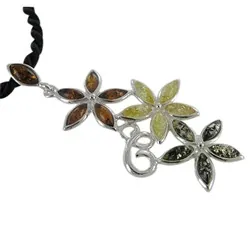
The fastest answer is this: real amber is fossilized tree resin, and it rarely looks perfectly uniform. It may be clear or cloudy, light lemon or deep cherry, polished smooth or left with a more organic surface. A good first look tells you far more than a dramatic home experiment ever will.
That matters because the word amber is used loosely. A jewelry listing may describe a color, a style or a material, and those are not the same thing. Plastic, glass, young resin called copal, pressed amber and genuine natural amber can all appear in the same warm family of colors. The goal is not to turn your kitchen into a gem lab. It is to know what to look for, what questions to ask and when an expert opinion is worth having.
This guide is written for someone choosing or evaluating jewelry, not for someone preparing a museum specimen. Start with the visual clues, compare them with the seller's description and use the simple checklist near the end before you buy.
First, know what real amber is
Amber began as sticky resin from ancient trees and hardened over immense spans of time. It is an organic gem material, not a mineral crystal. The Gemological Institute of America describes amber as fossilized resin, which helps explain its warmth, lightness and range of internal character.
Baltic amber is a geographic and trade description for amber associated with the Baltic region. It is prized in jewelry because it comes in a broad spectrum of colors and can carry cloudiness, tiny bubbles, plant matter and other natural features. Those features are not defects by default. They can be part of the piece's personality.
Natural amber can also be treated or enhanced. Heat treatment, for example, can change clarity or create a crackled sun-spangle effect. Treatment does not automatically make a piece fake, but it should be described honestly. When you are comparing pieces, separate three questions: is it amber, is it natural rather than an imitation, and has it been treated?

Step 1: Look for natural variation, not factory perfection
Hold the piece near a window or a soft lamp and turn it slowly. Real amber often has depth. You may see wisps, soft clouds, fine lines, tiny bubbles or changes in tone as the light moves through it. Some stones are very clear, so a lack of visible inclusions is not proof of imitation. The important point is that natural material often has an individual feel rather than a repeated, manufactured pattern.
Be especially cautious when several beads or cabochons are exactly the same color, transparency and internal pattern. Jewelry can be beautifully matched, of course, but identical swirls or identical suspended bubbles across multiple pieces are a reason to ask more questions. Genuine amber varies from stone to stone, even in a carefully made set.
Color alone is never a verdict. Honey, cognac, lemon, cherry, green and milky tones can all appear in amber. The International Gem Society's amber overview is a useful reminder that this material comes in more than the classic golden color most people expect.
- Look for soft, uneven depth rather than identical decorative swirls.
- Notice whether color changes gently through the stone in natural light.
- Treat a perfectly repeated pattern as a question to investigate, not a final answer.
Step 2: Feel the weight and warmth
Amber is surprisingly light for its size. A substantial pendant or bead necklace should not feel as heavy as glass of the same volume. It also tends to feel warmer to the touch than glass or stone after a moment in your hand. These are useful clues when you can handle a piece, especially when you compare it with a known material.
Still, do not let weight settle the question alone. Plastic can be light, and a setting can change the overall feel of a finished piece. Think of touch as one piece of a larger picture. When the look, the weight, the seller's description and the price all point in the same direction, you have a much stronger basis for confidence.
For a jewelry purchase, the setting matters too. Check that the clasp, silverwork or other mounting feels finished and that the seller gives you a clear material description. A well-made piece should not need a vague story to explain what it is.

Step 3: Read the description like a buyer
A trustworthy listing should make the material understandable. Look for clear language such as natural amber, Baltic amber, pressed amber, copal, resin or imitation. The right word is not always natural amber. A well-priced piece of pressed amber or copal can be perfectly enjoyable jewelry when it is described for what it is. The problem is not the material. The problem is being led to believe it is something else.
Ask for a close image in daylight when the photos are heavily filtered, very dark or too small to inspect. Ask whether the stone has been treated, whether it is solid amber or pressed material, and where the piece was made. A seller who knows the piece should be able to answer calmly and specifically.
Price belongs in the conversation too. There is no single correct price for amber because size, color, clarity, craftsmanship, setting and rarity all matter. But an unusually low price for a large, flawless, unusually colored piece should slow you down. A bargain is possible. A vague description plus a too-good-to-be-true price is a different situation.
- Does the listing name the material clearly?
- Can the seller explain treatments or enhancements?
- Are photos detailed enough to show the actual stone?
- Is the return policy easy to find and reasonable?
Know the common look-alikes
The most common amber look-alikes are plastic, glass and copal. Plastic is often very light and may have an overly uniform color or a mold-made appearance. Glass is usually cooler and heavier in the hand. Copal is natural resin too, but it is much younger than amber and can be softer. These broad differences are useful, but a finished piece can combine materials, so no single clue is enough.
Pressed amber deserves a more careful distinction. It is made by joining smaller amber pieces under heat and pressure, creating a material that can be used for beads and larger forms. It is not the same thing as a one-piece natural cabochon, and it should not be represented as one. A good seller will describe it plainly so you can decide whether you value the natural material, the look, the price or all three.
Inclusions are another area where buyers can be misled. An insect in amber may look exciting, but it is not a shortcut to value or authenticity. Inclusions can be difficult to assess from a photograph and are sometimes imitated. Treat a dramatic inclusion claim as a reason to seek documentation or professional inspection, especially when the price is high.
Skip the destructive internet tests
You will find plenty of advice telling you to push a hot needle into amber, scratch it, use solvents, burn it or drop it into salt water. Those tests are poor choices for finished jewelry. Heat and chemicals can permanently damage amber, polish, adhesives, stringing material and metal settings. A scratch test can turn a small uncertainty into a very real repair bill.
Saltwater float tests are often oversold. Density can be a useful laboratory property, but a mounted pendant or bead strand includes metal, thread, clasps and other materials that change the result. Glass and some plastics can also make simple at-home tests misleading. A result that seems dramatic on video is not the same as a reliable identification.
The same caution applies to ultraviolet light and static-electricity tests. They may be interesting observations, but results can vary with the material, age, treatment and conditions. A test that is not conclusive should never outweigh a clear seller description, sensible provenance and a close look at the actual piece, especially before you rely on it to support a meaningful purchase.
If a piece matters to you, preserve it. Take clear photographs, save the receipt and ask the seller for the facts before you experiment. The American Gem Society recommends working with a qualified jeweler when you need informed help with a jewelry purchase or appraisal.
When a professional opinion is the right move
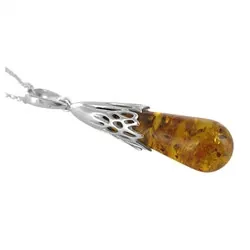
For an everyday purchase from a transparent seller, careful observation and good documentation may be enough. For a valuable inherited piece, an antique-market find, a piece with a claimed rare inclusion or anything you may insure or resell, seek a qualified gemologist or appraiser. They can inspect the material without resorting to damaging shortcuts and can tell you what their conclusion does and does not cover.
A professional opinion is particularly useful when a piece may be copal, composite material or an imitation designed to resemble amber. It is also useful when provenance is important. An appraisal identifies and values a specific item for a stated purpose. It is not a substitute for honest sourcing when you are deciding where to buy.
Before you book an appraisal, write down what you need to know. Are you trying to confirm the material, understand a family piece, insure a purchase or decide whether a seller's claim is credible? Bring the piece's receipt, any previous paperwork and clear notes about its history. A focused question helps the professional give you a useful answer and helps you understand what evidence supports it.
Keep your expectations realistic. Even experts distinguish between what can be observed directly, what a test establishes and what cannot be proven from the piece alone. That clarity is a good sign, not a weakness.
Buy with confidence, then care for the piece
The best test begins before checkout. Choose a specialist who shows the actual pieces, describes materials plainly, answers questions and stands behind the sale. That gives you something no home test can provide: a clear relationship between the jewelry, the seller and the story you were told.
At Andzia's, each piece is selected from small artisan workshops across the Baltic region, with an eye for individual color, character and silverwork. Browse the full amber jewelry collection, or explore our amber pendants, earrings and bracelets when you know the style you want.
Once you have found a piece you love, gentle care keeps the finish beautiful. Keep amber away from perfume, hairspray, solvents and hard knocks, and store it separately so it is not rubbed by harder jewelry. Our Amber Care guide covers the simple habits that protect it over time.
- Study the stone in natural light.
- Ask for a plain-language material description.
- Avoid heat, needles, solvents and scratch tests.
- Choose a seller with clear policies and real product details.
- Use a qualified expert when the piece is valuable or uncertain.
Frequently asked questions
Can you tell if amber is real by looking at it?
You can often spot useful clues by looking closely in natural light. Real amber commonly shows individual color shifts, cloudiness, fine inclusions or depth that does not repeat from stone to stone. Visual inspection is a strong first step, but it is not a laboratory identification on its own.
Does real amber float in salt water?
Loose amber may behave differently from glass or some heavier materials in a dense saltwater solution, but this is not a reliable test for finished jewelry. Metal settings, clasps, thread and construction materials change the result, and a home test can mislead more easily than most online videos suggest.
Should I use a hot needle to test amber?
No. A hot needle can scar or crack amber and damage a finished piece's setting, polish, adhesives or stringing. It is destructive and unnecessary for jewelry you value. Use non-destructive observation and consult a qualified gem professional when the answer matters.
Is pressed amber fake amber?
Pressed amber is made from smaller pieces of amber fused together, so it is different from a single natural piece of amber. It should be described accurately. It is not the same as plastic imitation, but buyers deserve to know which material they are considering.
What is the safest way to buy real amber jewelry?
Buy from a seller who uses clear material descriptions, detailed photographs and a straightforward return policy. Ask whether the piece is natural amber, pressed amber, copal or imitation material, and ask about treatments when that information is important to you.


