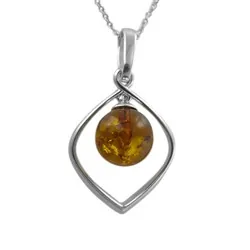
Butterscotch amber has a look that is easy to recognize once you have seen it in person. Instead of the glassy glow many people expect from amber, it can appear creamy, buttery, golden or softly marbled. It may be nearly opaque, with a quiet surface that holds light rather than sending it straight through. In a silver setting, that warmth can feel especially striking.
The name is useful, but it is not a laboratory grade. It is a trade description for a family of warm, opaque-looking amber colors. That means two pieces called butterscotch can look notably different from one another. One may lean toward pale cream, another toward egg-yolk yellow, caramel or a deeper antique gold. The variation is part of the pleasure, provided the listing helps you see what you are actually buying.
This guide explains what shoppers usually mean by butterscotch amber, how to read its color and surface, which questions are worth asking and how to choose a piece for your own style. The aim is not to turn a beautiful material into a science project. It is to help you recognize the qualities that make a particular piece feel special.
What is butterscotch amber?
Butterscotch amber is the familiar name for amber with an opaque to softly translucent appearance in shades of cream, yellow, gold and caramel. You may also hear sellers use words such as milky, egg-yolk, white amber, yellow amber or royal amber. Those descriptions can be helpful visual shorthand, but they are not interchangeable guarantees of origin, age or treatment.
The important visual difference is opacity. Clear honey amber allows light to travel through the stone. Butterscotch material tends to scatter and soften the light, so it reads as velvety or solid even when it has depth beneath the surface. A piece may show swirls, clouds or patches of color rather than one perfectly even tone. Those features are often what make it feel alive.
That visual character is why it helps to avoid shopping by a color label alone. One person may use butterscotch for a pale, nearly cream stone, while another may use it for a deeper yellow cabochon with honey-colored edges. If you are matching an existing necklace, choosing a gift or looking for a very particular shade, ask for a photograph beside a neutral background. It gives you a more useful sense of the color than a name by itself.
The International Amber Association’s terminology for Baltic amber distinguishes material and treatment terms from the many names used to describe appearance. That is a useful distinction when you are shopping. A color name tells you what you are seeing. A clear description of the material tells you more about what you are buying.
Butterscotch is often associated with Baltic amber, and it suits both modern and vintage jewelry beautifully. The color can make a bold pendant feel calm rather than flashy, or give a small pair of earrings an old-world warmth. It is less about finding one official shade and more about finding the balance of cream, gold and character that catches your eye.

Why it looks creamy instead of clear
Amber is fossilized resin, not a manufactured stone. Its appearance changes with the tiny details held within it and with the way light moves across the finished surface. In clear pieces, light travels through more readily. In opaque pieces, the eye reads a softer, more diffuse glow. That difference is why butterscotch amber can feel almost matte beside a transparent cognac cabochon, even when both are polished.
It helps to think in terms of character, not perfection. A pale butterscotch stone can have cloudy areas, warmer veins or a subtle marbling that becomes more noticeable at an angle. A deeper piece can appear more caramel or antique gold near the edges. These shifts are not automatically flaws. They are visual features to notice in photographs and, when possible, in daylight.
No photograph can replace holding a piece, but good photographs can do real work. Look for a straight-on view, an angled view and a close view of the surface. Those images should show whether the piece is creamier, more golden, more mottled or darker around the edge. If the image has strong studio lighting, ask for a simple daylight view before making a decision about an especially important piece.
Scale matters, too. An opaque stone can look more substantial in a photograph than it feels when worn, especially when it is framed by a wide silver setting. Read the measurements, then compare them with a pendant, ring or earring you already own. For a pendant, note both the stone size and the full drop. For a ring, notice how high the stone sits. Small practical checks turn an attractive image into a choice that suits your routine.
Opacity also changes how a setting reads. A bright sterling silver bezel can sharpen the outline of a pale stone. Textured or antiqued silver can make butterscotch amber feel more historical or sculptural. Neither effect is better. The useful question is whether the metal helps the stone show the mood you want to wear.
Butterscotch, honey and cherry: choosing the mood
Amber color is personal. Butterscotch usually feels quiet, warm and a little unexpected. Its opacity can make it easy to wear with cream, charcoal, navy, denim and textured fabrics. It has presence without relying on sparkle, which is one reason it works so well in larger cabochons and vintage-inspired pieces.
Honey amber is often clearer or more translucent, with a sunny golden glow. It catches light quickly and can feel like an easy everyday neutral. Browse the honey amber jewelry in the collection if you are drawn to warmth but prefer a brighter, more luminous look.
Cherry amber brings a richer, red-brown note. It can feel dramatic against silver and makes a strong contrast with black, forest green or winter layers. A cherry amber artisan pendant shows how a deeper color can become the center of a piece without losing amber’s warmth.
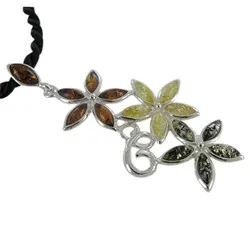
Mixed-color amber offers another route. Lemon, honey, cherry and green shades can be arranged together so that each color changes the next. If you like the look of butterscotch but do not want one uniform tone, a piece with several natural-looking shades can give you the same warmth with more movement. There is no universal best color. The best one is the shade you keep returning to when you see it.

What to ask before buying butterscotch amber
A color name should begin the conversation, not end it. Ask whether the listing shows the exact piece you will receive, particularly if the stone is a one-of-a-kind cabochon. Ask for the dimensions, the metal and any condition notes. If the amber is described as vintage, ask whether the surface, setting and clasp have been checked and whether there are chips, repairs or wear worth knowing about.
It is also reasonable to ask whether the color or clarity has been modified. Treatment is not a moral verdict and does not automatically make a piece undesirable. The deciding factor is disclosure. A straightforward seller can explain the material they are offering and what they know about it. A vague listing that relies only on words such as rare or royal leaves you with less information than you deserve.
Price should be read as one part of the picture, not a final verdict. Size, craftsmanship, age, condition, setting and the seller’s documentation can all affect it. A modestly priced piece may simply be small or simply set. A higher-priced piece may reflect a larger stone, more elaborate silverwork or unusual provenance. Compare pieces with similar dimensions and construction, then choose the one whose look and information feel right.
Avoid damaging home experiments. Hot needles, solvents, abrasives and burning can harm amber or a finished setting, and they do not provide the kind of clear answer a buyer needs. When a material question could change the value of an antique, collectible or expensive piece, documentation or an independent specialist is more useful than a kitchen-table test. Our guide to telling if amber is real explains safer ways to approach that question.
For ordinary jewelry, a thoughtful listing is often the best place to start. Look for plain language, multiple useful photographs and a clear return path. Those basics make it much easier to spend your time choosing the color and setting you enjoy, rather than trying to decode a dramatic claim.
A beautiful choice for vintage jewelry
Butterscotch amber is especially at home in vintage jewelry. Its soft opacity can make an older design feel intentional rather than dated, and it pairs naturally with patinated silver, openwork details and generous proportions. A larger pendant can carry the color beautifully because the eye has room to notice its surface and its individual shading.
Vintage does call for a little more attention. A piece may have an old repair, a softened polish, a worn clasp or a tiny surface mark that is part of its history. None of those details has to rule it out. They simply need to be named clearly so you can decide whether you love the piece as it is. Age and condition are related, but they are not the same thing.
Our vintage butterscotch amber pendant is a good example of the look: opaque amber, sterling silver and a character that does not depend on looking factory-new. For a wider view of pieces with history, explore the Vintage amber collection.
When you buy vintage, imagine the piece in your actual life. A substantial pendant may become a favorite over a sweater or a simple dress. A smaller ring may be better for regular wear if you want to see the color every day. The right answer is the one that lets the piece be worn and enjoyed, not kept waiting for a perfect occasion.
Caring for an opaque amber piece
Butterscotch amber deserves the same gentle treatment as any amber jewelry. Put it on after perfume, lotion and hair products have settled. Take it off before swimming, showering, cleaning or tasks where it may strike a hard surface. A soft dry cloth after wearing is usually enough for routine care.
Store it separately from harder jewelry in a soft pouch or lined compartment. Do not use abrasive cleaners or apply silver polish directly to the amber. If the silver needs more attention than a gentle cloth can provide, protect the stone carefully or ask a jeweler familiar with amber to help. Our Amber Care guide keeps the daily essentials in one place.
The goal is not to make every piece look identical. The charm of butterscotch amber is often the softness, clouding and variation that set it apart from clear amber. Good care protects the surface and the setting while leaving that character intact.
When you are ready to choose one, begin with the actual piece in front of you. Notice the shade, the scale, the silverwork and the way the color makes you feel. A well-described butterscotch amber piece does not need an exaggerated story. Its warm, individual presence is more than enough.
- Look for clear photographs of the exact piece, including its surface and color variation.
- Ask about material, treatment, metal, dimensions and condition before buying.
- Choose butterscotch for its creamy, opaque character, not a promise of one exact shade.
- Give vintage pieces extra attention to condition and construction.
- Keep amber away from chemicals, heat and hard knocks after it comes home.
Frequently asked questions
Is butterscotch amber real amber?
Butterscotch is a visual trade name, not a material test. It is commonly used for opaque cream, yellow and caramel-toned amber. Ask the seller to identify the material and disclose any treatment so you can choose with clear information.
Why is butterscotch amber opaque?
Butterscotch amber has a softer, more diffuse appearance than clear amber, so it looks creamy or solid rather than transparent. Individual pieces can vary from pale cream to deep gold and may show clouding, swirls or marbling.
Is butterscotch amber more valuable than clear amber?
Value depends on the individual piece, including material, size, condition, craftsmanship, origin claims and the quality of the setting. Opacity or color alone does not create one universal value ranking.
Can butterscotch amber change color over time?
Amber is an organic material, and its appearance can be affected by age, light, surface wear and care. Keep it away from harsh chemicals and heat, and use gentle care to protect the finish you chose.
How should I clean butterscotch amber jewelry?
Wipe it with a soft dry cloth after wearing and store it separately from harder jewelry. Avoid abrasives, solvents, ultrasonic cleaners and silver polish on the amber. Seek professional help for cracks, loose settings or fragile vintage pieces.